What is a Somatic Practitioner
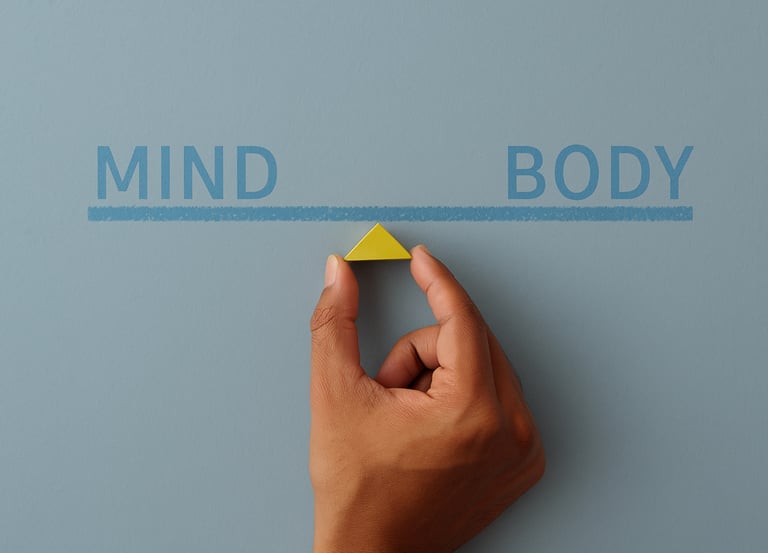
Focuses on feeling our emotions to help tolerate them.
Focuses on nervous system regulation using sensations of our bodies not excluding memories, movement, emotions and thoughts.
Broad term for Somatic Coaching, Trauma Healing, Body-Based Specialist, Mind-Body Connection
Somatic Experiencing® (SE)
Think of it like this: your body is always giving you signals. You feel hungry, you shiver when you’re cold, you get that tight feeling in your chest when something feels off. Most of the time, we act on these signals without even thinking.
But sometimes, especially after stress or trauma, we stop listening to those signals. Or the signals get stuck—like a system that’s still trying to process something long after it happened, leading to symptoms like anxiety, chronic tension, and hypervigilance.
Somatic Experiencing helps us tune back in. It’s a way of slowing down, enhancing your body awareness, and gently helping your system complete whatever got interrupted or overwhelmed along the way.
It’s not about reliving the past. It’s about supporting your body to safely release stored survival energy—the kind connected to fight, flight, or freeze responses—which leads to trauma resolution and a reduction in physical and emotional symptoms. The goal is to return your nervous system to a state of regulation and wholeness, building greater emotional resilience over time.
If you’ve tried talking, thinking, or meditating your way through stuckness—and it still feels like something's missing—Somatic Experiencing might offer another path.
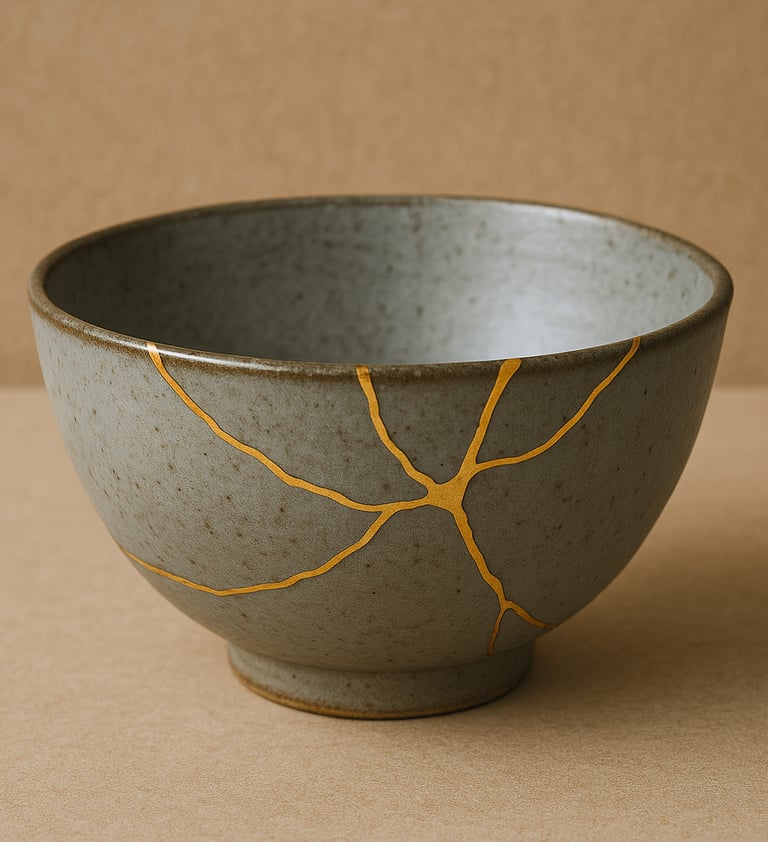
“The body is telling us the story, even if our minds aren’t aware of it.”
- Peter Levine, creator of Somatic Experiencing
Integral Somatic Psychology™ (ISP)
Integral Somatic Psychology (ISP) is a body-based approach to working with emotions. It helps you connect with what you’re feeling—both emotionally and physically—without getting overwhelmed. Rather than only talking about your experiences, ISP invites you to notice how emotions live in your body, gently expanding your capacity to stay with them.
When emotions feel intense, bringing awareness to how they show up in the body can make them easier to hold and process. Over time, this builds natural regulation: what once felt too much starts to soften, and you may notice less anxiety, more clarity, and a steadier sense of self.
By including both the body and mind in the process, ISP supports real, embodied change—so insight isn’t just something you understand, but something you truly feel and live.
How It’s Different from SE
While Somatic Experiencing tends to approach emotions slowly and indirectly, ISP is a bit more direct. It helps you face emotional pain in a way that’s still safe, but doesn’t avoid it. As the founder of ISP says, sometimes the fastest way to healing is straight through the pain—not around.


“In ISP, we don’t just talk about emotions—we expand the body’s ability to tolerate and embody them.”
- Raja Selvem, creator of Integral Somatic Psychology
Ways To Connect With Me
The 'Contact Me' Form is the best way to get started for your free introduction call.
Prefer Message or Email?